




 Updated:
Jul 26, 2013
Updated:
Jul 26, 2013 Kaywoodie began as a line of pipes offered by KB&B (Kaufman Brothers & Bondy) in 1919 (see also Dinwoodie). Ultimately, KB&B changed its corporate name to "Kaywoodie". It became a brand of S. M. Frank & Co from March 1955.
Kaywoodie seconds: Bentley US, Devonshire


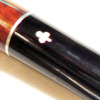
The cloverleaf logo: the round logo (black cloverleaf in white circle  or white cloverleaf in black circle
  ) was first used in 1937. Up until the late 40's this logo was used on all of the upper grades pipes. The concomitant use of the plain white cloverleaf and the disk inlaid logo continued untill the early 80's.
Up until the late 1940's/early 50's, the logo was on top of the stem. After that the logo was moved to the side of the stem (exceptions exist).
The code: see comments about "President" pipe


Early Kaywoodie (1919-1924)
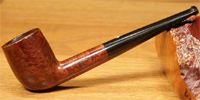
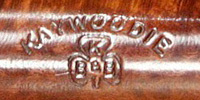
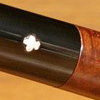
▲ (Left side) Kaywoodie (Arched over...) KB&B (In clover)
(Right side) 4223
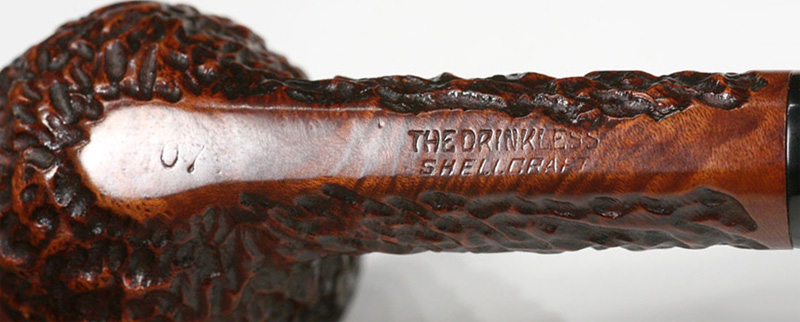
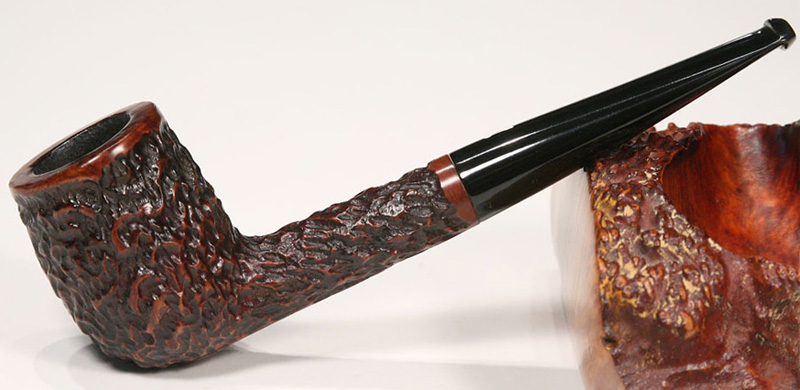
The Drinkless Shellcraft
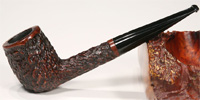
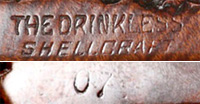
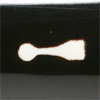
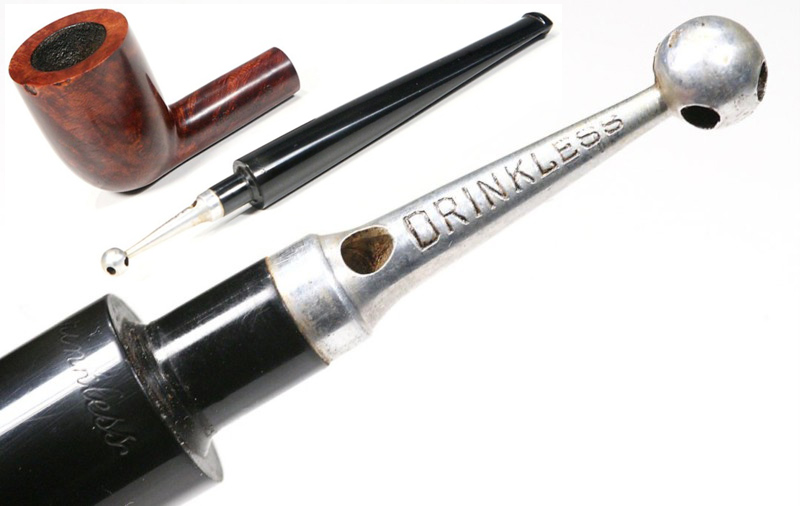
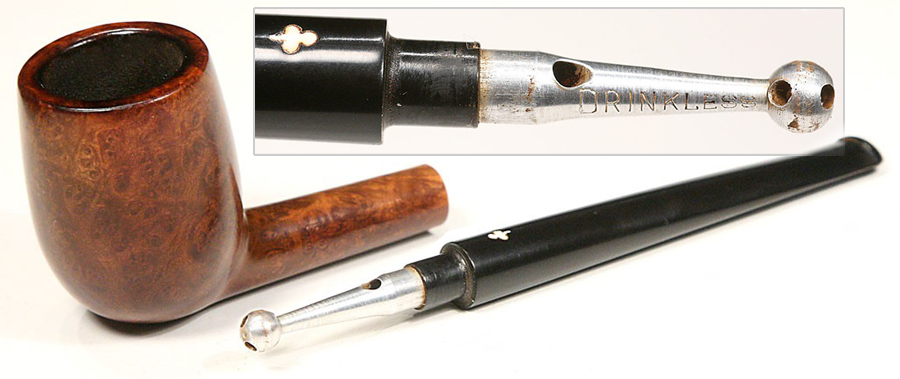
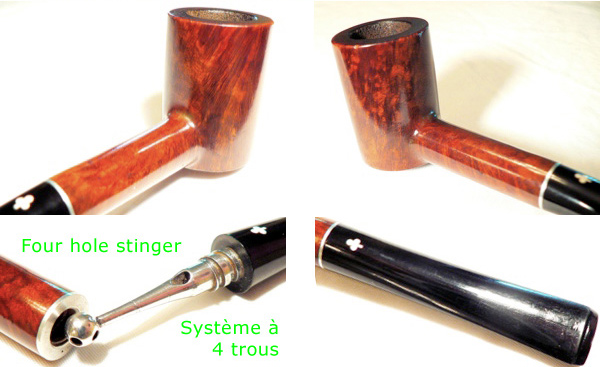
The white logo has the shape of the Drinkless systeme (see dok) which equipped these pipes from 1924. This Shellcraft has a push tenon and was thus crafted prior to 1930.
No KB&B clover stamped on the shank.
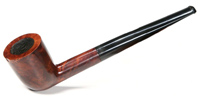
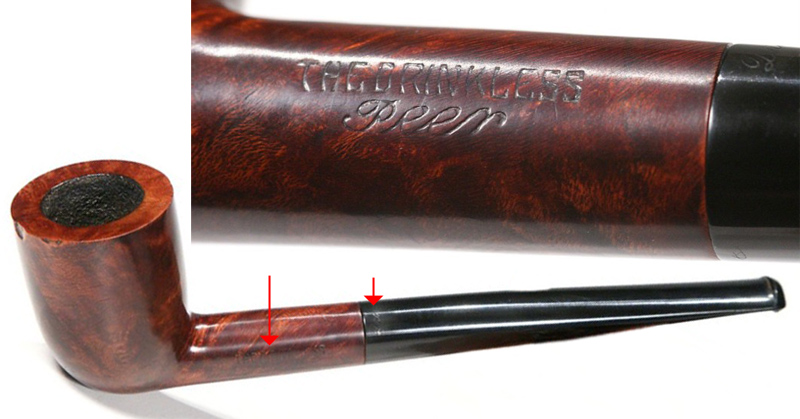
The Drinkless Peer


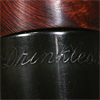
▲
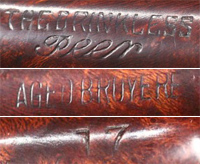
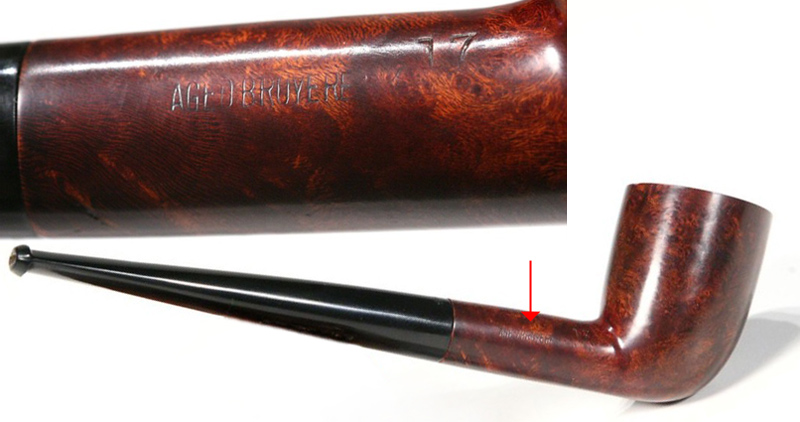
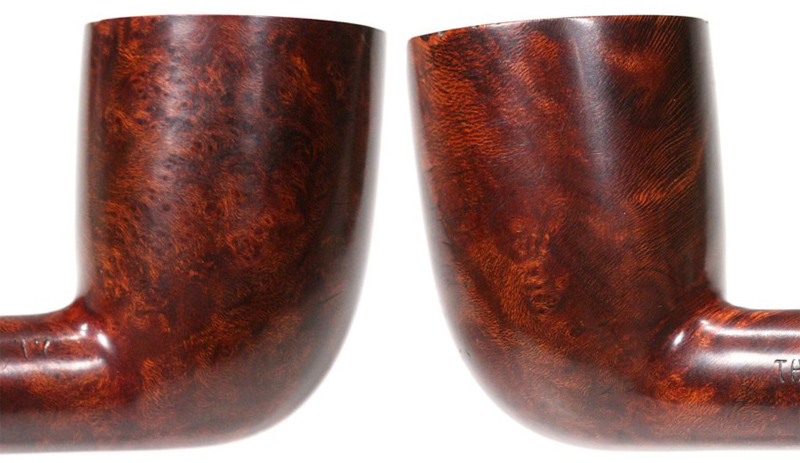
(Left side) The Drinkless , Peer
(Right side) Aged Bruyere, 17
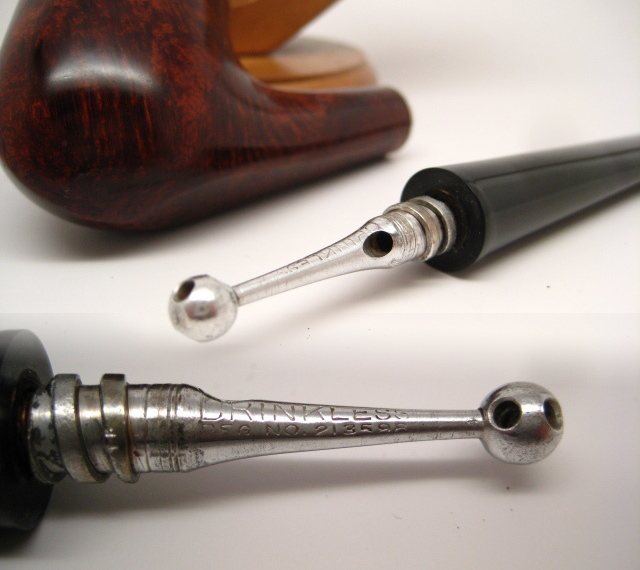
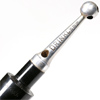 Push tenon and Drinkless stinger
This pipe is marked with "Drinkless" on the shank, on the stem and on the stinger. It doesn't have the KB&B shamrock logo nor any "Kaywoodie" stamping. Nevertheless its caracteristics allow to identify it as an early Kaywoodie:
- A 2 digits shape number (17 = Dublin): period 1924-1929)
- A push tenon: pipe manufactured prior to 1929
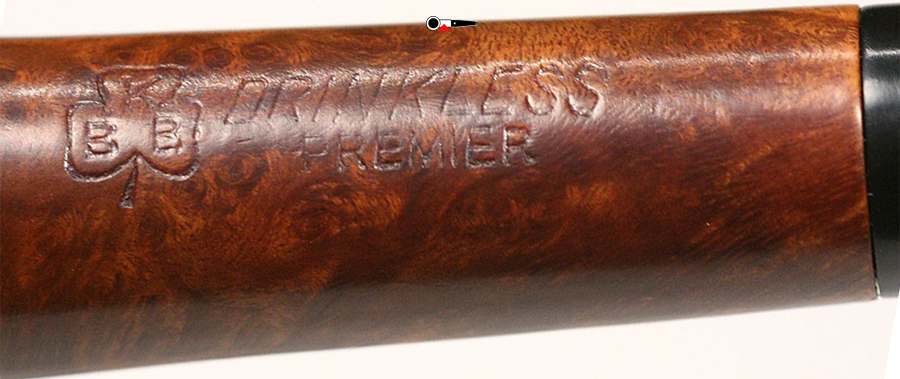
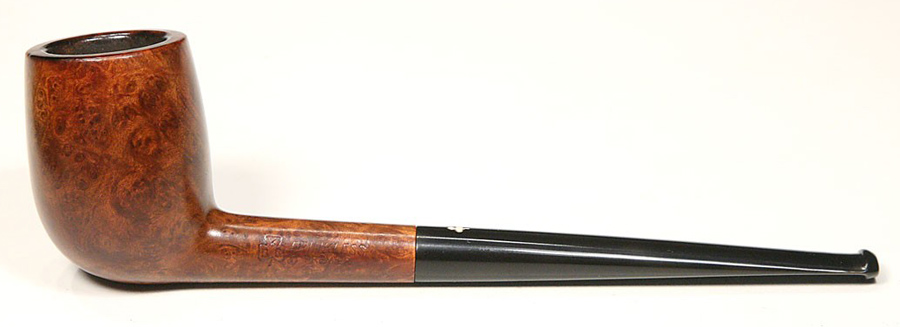
Premier
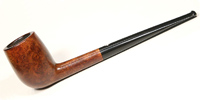
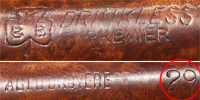
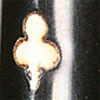
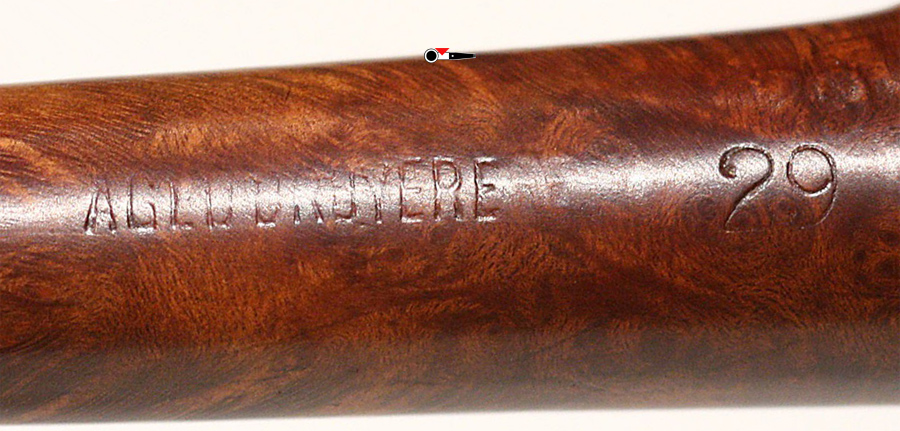
(Right side) Aged Bruyere, 29
The "Premier" line was produced only during a year: 1928
From 1924 to 1929 (about) Kaufmann Brothers & Bondy (KB&B) stamped a 2 digit code on the pipes (29 in this case) to indicate their shape. The fact this pipe dates from this period is also confirmed by a push stem. It illustrates a test period coming first to a Kaywoodie line and followed by the Kaywoodie brand.
Early Drinkless
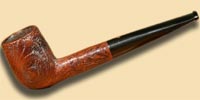
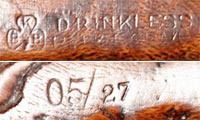
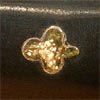
Gold foil clover inlay in stem
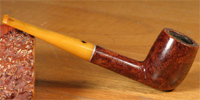
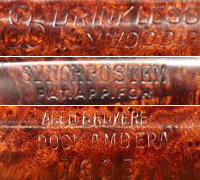
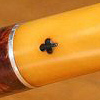
(Right side) Rock Ambera, Aged Bruyere, 7605
(Bottom) Synchrostem, PAT. APP. FOR, LA
▲ Rock Ambera: Bakelite stem with appearance of amber. These pipes had a black cloverleaf.
Period: 1929 - 1931
More about the PAT. APP. FOR stamping.
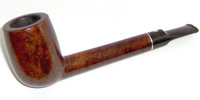
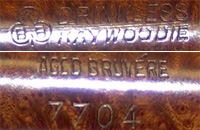
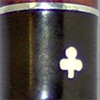
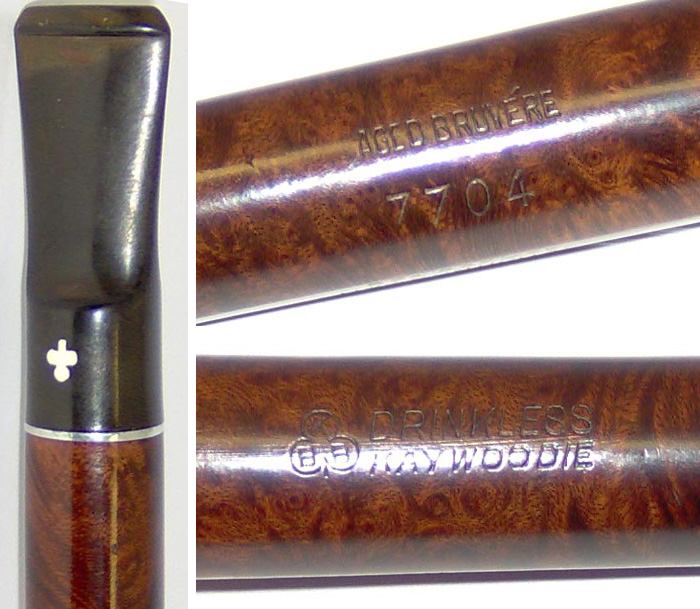
(Right side) Aged Bruyère, 7704
▲ "KBB" inside clover stamped on the shank was canceled in 1933.
The lack of "PAT. APP. FOR" stamping would indicate the synchrostem patent was allready granted (1932) when this pipe was crafted.
Thus this pipe may be dated rather precisely.
Early Super Grain
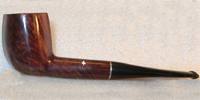
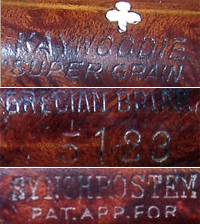

(Left side) KAYWOODIE Super Grain
(Right side) Grecian Briar, 5123
(Bottom) Synchrostem, PAT. APP. FOR
▲ The PAT. APP. FOR stamping being canceled in 1932, this pipe is one of the very first Super Grains produced.
More about the PAT. APP. FOR stamping
The first Super Grains appeared in late 1931 or early 1932. They are the only pipes Kaywoodie produced with the shamrock inlaid in the shank and not on the stem.
Shank embedded logos were stoped by 1938.
Differentiate an early Super Grain from a post WWII Super Grain.
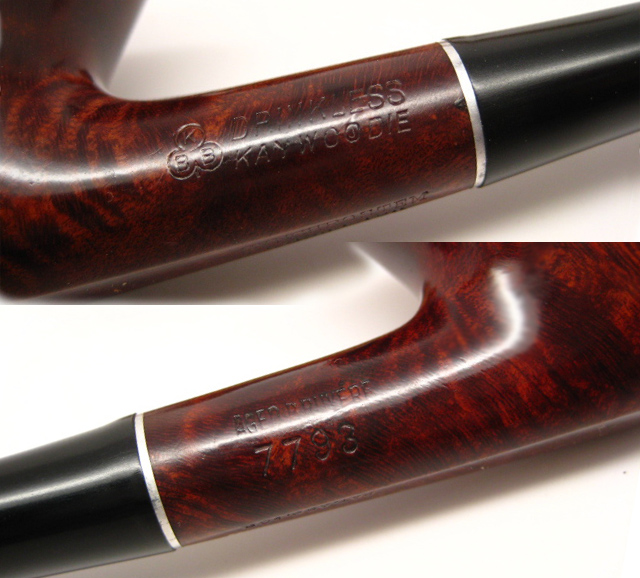
Early "President"
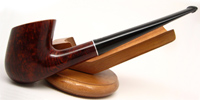
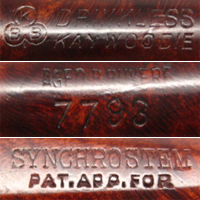
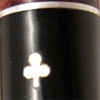
▲ (Left side)
KBB (In clover) Drinkless, Kaywoodie
(Right side)
Aged Bruyere, 7793
(Bottom)
Synchrostem, PAT. APP. FOR
The shape called "President" is a Kaywoodie's distinctive production. It has never been copied.
Until late 1930's pipes were stamped with a 4 digit code (this pipe: 7793).
- The first 2 numbers (77) designate the style or finish.
- The last 2 are the shape numbers (93).
- The numerical code may be reinforced by a letter for variants.
Thus the small "President" pipes are stamped 93S while the larger bear a 93L (see also this Super Grain pipe).
Later Kaywoodie will cancel the 2 first style/finish numbers keeping the 2 last shape numbers and the letter for variants (i.e. Allbriar or Connoisseur).
Early Suntan
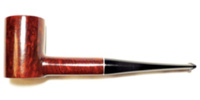
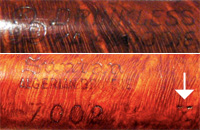
▲ (Left side) KBB (in clover) Drinkless Kaywoodie
(Right side) Suntan, Algerian Bruyere, 7002, X
Suntan period: 1928-late 1950's
"Made in England" Suntans have been produced more recently.
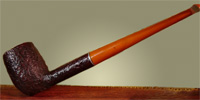
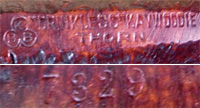
Early Thorn
))

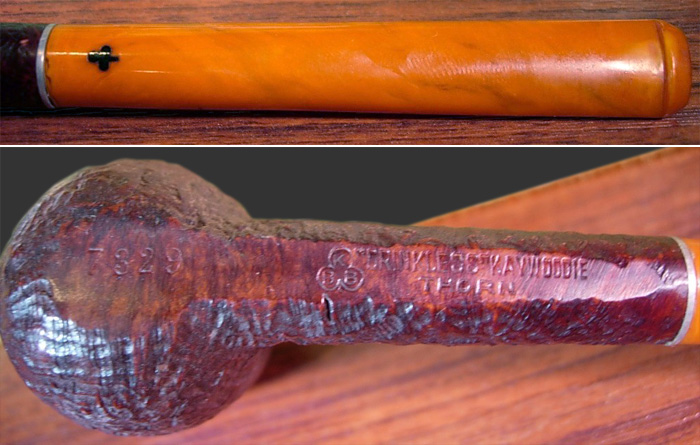
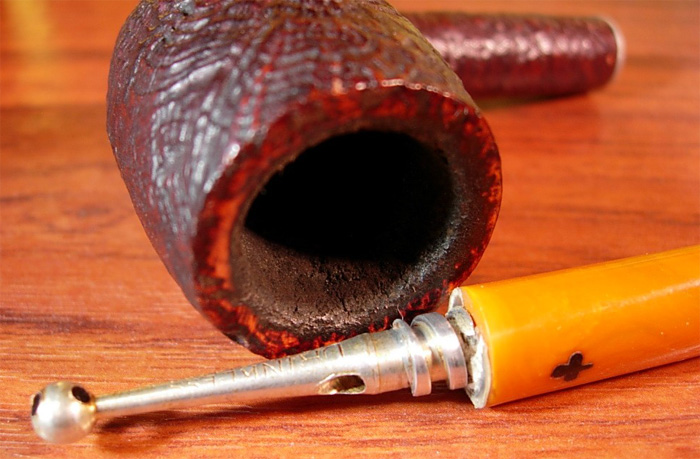
Thorn period: 1928-late 1950's
"KBB" inside clover stamped on the shank was canceled in 1933.